
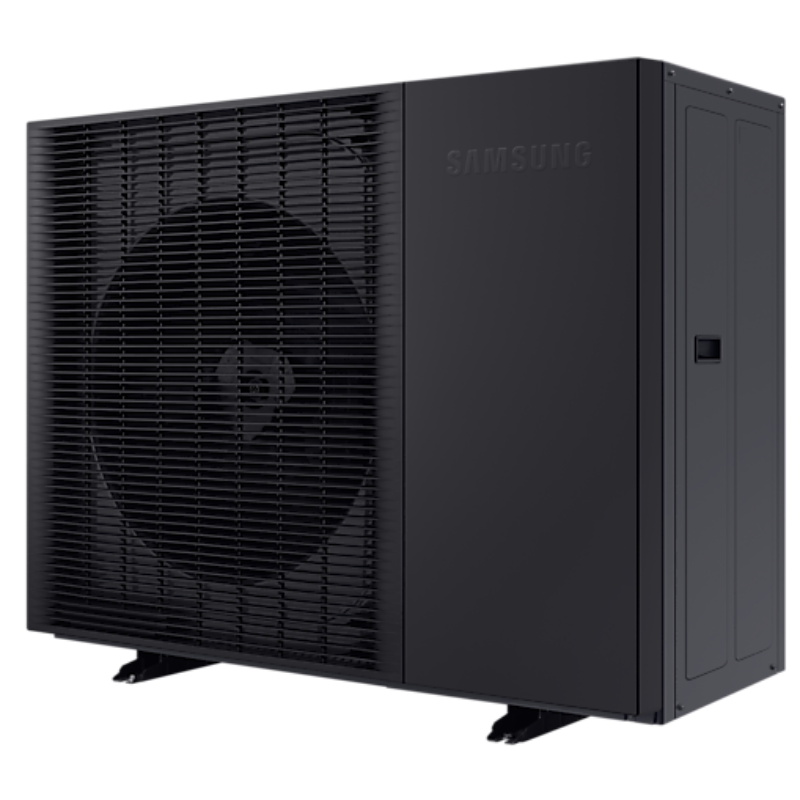
The UK Government has identified heat pumps as an important technology in the transition towards lower-carbon heating. As the UK moves away from traditional fossil fuel heating systems, heat pumps are expected to play an increasingly important role in heating homes and businesses.
For many UK properties, this will mean installing an air source heat pump. Air source heat pumps use electricity to extract heat from the outside air and transfer it into a property, providing an efficient alternative to traditional gas, oil and other fossil fuel heating systems.
Heat pumps perform best in well-insulated properties, but they can also be suitable for many older homes and existing UK housing stock when the system is correctly designed, properly sized and installed to suit the property. A heat loss calculation and careful consideration of the existing heating system are important parts of the design process. In some cases, improvements such as insulation upgrades or changes to radiators may also be beneficial.
The Government’s Boiler Upgrade Scheme (BUS) is currently available in England and Wales to help reduce the upfront cost of eligible heat pump installations. Subject to the relevant eligibility criteria, the scheme provides a grant of up to £7,500 towards an air-to-water or ground source heat pump, while eligible residential air-to-air heat pump installations can receive a grant of £2,500. From 21 July 2026, eligible off-gas-grid properties may qualify for an increased grant of £9,000 towards an air-to-water or ground source heat pump when replacing eligible heating systems.
To qualify for the Boiler Upgrade Scheme, the installation must meet the scheme’s eligibility requirements, including replacing an existing eligible heating system in an existing property. The scheme is available in England and Wales, with certain restrictions applying to new-build properties and social housing. The grant is applied as an upfront discount to the cost of the eligible installation through an MCS-certified installer.
Contents
- How Does an Air Source Heat Pump Work?
- What Types of Heat Pumps Are Available?
- Is a Heat Pump Suitable for My Home?
- Does My Home Need to Be Well Insulated?
- What Changes May Be Needed to My Existing Heating System?
- Monobloc vs Split-System Heat Pumps
- How Much Does a Heat Pump Cost to Install?
- Understanding the Boiler Upgrade Scheme (BUS)
- Who Is Eligible for the Boiler Upgrade Scheme?
- How Much Funding Is Available for a Heat Pump?
- Understanding Heat Pump Efficiency and Performance
- How Much Does a Heat Pump Cost to Run?
- Will a Heat Pump Reduce My Energy Bills?
- What Size Heat Pump Do I Need?
- How Are Heat Pumps Rated for Efficiency?
- Heat Pump Manufacturers and Brands
- Comparing Air Source Heat Pumps by Size and Efficiency
- What Is an MCS-Certified Installer?
- How Do I Find the Right Heat Pump Installer?
- What to Expect During a Heat Pump Installation
1. How Does an Air Source Heat Pump Work?
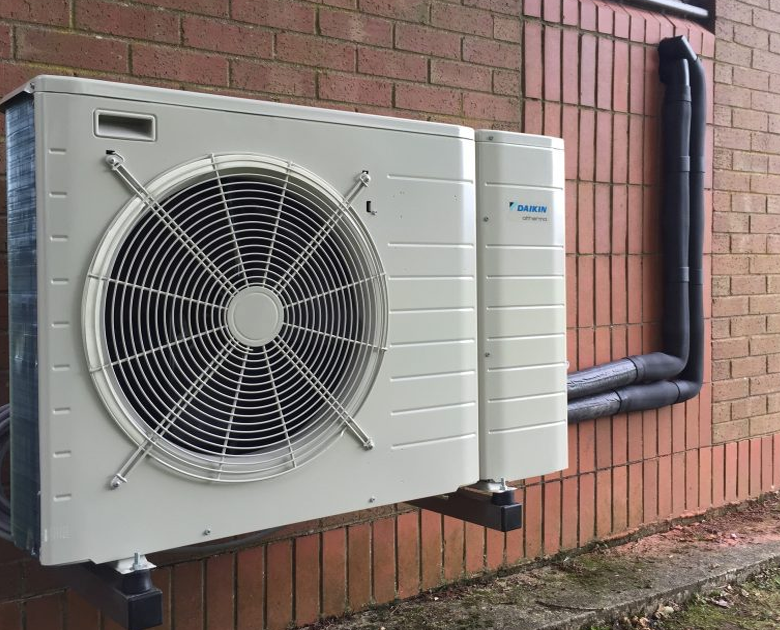
An air source heat pump extracts heat energy from the outside air and uses electricity to increase the temperature of that heat before transferring it into your home.
Even when outdoor temperatures are low, there is still heat energy present in the air. The heat pump captures this energy using a refrigeration cycle. A refrigerant absorbs heat from the outside air, is compressed to increase its temperature and then transfers that heat into your home’s heating system.
Air-to-water heat pumps transfer heat into water, which is then used to heat radiators, underfloor heating and domestic hot water. Air-to-air heat pumps transfer heat directly into the property through indoor fan coil units.
Unlike a traditional gas or oil boiler, a heat pump does not generate heat by burning fuel. Instead, it moves heat from one place to another. This is why heat pumps can deliver more heat energy than the amount of electricity they consume.
The performance of a heat pump depends on several factors, including the design of the system, the outdoor temperature, the flow temperature required by the property and the quality of the installation.
2. What Types of Heat Pumps Are Available?
There are several different types of heat pump, although air source heat pumps are the most common option for UK homes.
Air-to-water heat pumps
Air-to-water heat pumps extract heat from the outside air and transfer it into a water-based heating system. They can provide heating for radiators, underfloor heating and domestic hot water.
They are often the most practical heat pump option for existing UK homes because they do not require large areas of land for ground loops or boreholes.
Air-to-air heat pumps
Air-to-air heat pumps transfer heat from the outside air directly into the home using indoor fan units. They can provide efficient heating and cooling and are commonly used in homes, offices and commercial buildings.
Under the Boiler Upgrade Scheme, air-to-air heat pump installations are eligible for a grant of £2,500 for residential properties only, subject to the scheme’s eligibility requirements.
Ground source heat pumps
Ground source heat pumps extract heat from the ground using buried pipework or boreholes. The ground temperature remains relatively stable throughout the year, which can provide consistent operating conditions.
However, installation can be more disruptive and expensive because of the groundworks required.
Water source heat pumps
Water source heat pumps extract heat from a suitable body of water. These systems can be highly efficient but require suitable site conditions and specialist design.
3. Is a Heat Pump Suitable for My Home?
A heat pump can be suitable for many different types of property, including new-build homes, older houses, detached properties, flats and commercial buildings.
The suitability of a heat pump depends on more than the age of the property. A proper assessment should consider:
- The property’s heat loss
- The size and construction of the building
- The level of insulation
- Existing radiators or underfloor heating
- Available electrical capacity
- The location of the outdoor unit
- Domestic hot water requirements
- The available space for equipment
A properly designed heat pump system should be sized based on the calculated heat loss of the property rather than simply replacing an existing boiler with a heat pump of a similar output.
A heat pump may be suitable even where some improvements are recommended. However, the system should be designed around the actual requirements of the property rather than relying on general assumptions.
4. Does My Home Need to Be Well Insulated?
A property does not necessarily need to be highly insulated before a heat pump can be installed.
However, insulation is important because reducing heat loss makes it easier for the heating system to maintain a comfortable indoor temperature and can reduce the size of heat pump required.
The most important areas to consider may include:
- Loft insulation
- Cavity wall or solid wall insulation
- Floor insulation
- Draught reduction
- Windows and doors
In many cases, the existing insulation is adequate for a heat pump installation. In other properties, insulation improvements may be recommended as part of the overall project.
It is important to remember that a heat pump should be assessed based on the property’s calculated heat loss. The need for insulation improvements should therefore be considered as part of the design process rather than used as a blanket reason to rule out heat pumps.
5. What Changes May Be Needed to My Existing Heating System?
Installing a heat pump is not always a simple case of removing a boiler and connecting a new appliance.
Air-to-water heat pumps generally operate at lower flow temperatures than traditional boilers. As a result, the existing heating system needs to be assessed to ensure it can provide enough heat at the temperatures required.
Possible changes may include:
- Replacing or upgrading some radiators
- Installing additional radiators
- Installing or modifying underfloor heating
- Replacing the hot water cylinder
- Installing a suitable buffer vessel or volumiser where required
- Upgrading pipework
- Making electrical changes
- Installing new controls
- Improving insulation
Not every property will require all of these changes. A proper design should identify what is actually required for the individual home.
6. Monobloc vs Split-System Heat Pumps
Air-to-water heat pumps are generally available in two main configurations: monobloc and split systems.
Monobloc heat pumps
A monobloc system contains the main refrigeration components within the outdoor unit. Water-based pipework connects the outdoor unit to the indoor heating system.
Advantages may include:
- Simpler refrigeration installation
- No refrigerant pipework between the indoor and outdoor units
- A wide range of system configurations
The design must take account of external pipework, frost protection and the location of the equipment.
Split-system heat pumps
A split system has an outdoor unit connected to an indoor unit using refrigerant pipework.
Advantages may include:
- Reduced water pipework outside the property
- Greater flexibility in some installations
- Different options for indoor system design
The installation of split systems involves refrigerant pipework and must be carried out in accordance with the relevant requirements.
Neither configuration is automatically better than the other. The most suitable option depends on the property, installation requirements and the system design.
7. How Much Does a Heat Pump Cost to Install?
The cost of installing a heat pump varies considerably depending on the property and the system required.
Factors affecting the cost include:
- The size of the heat pump
- The type of heat pump
- The condition of the existing heating system
- Radiator upgrades
- Hot water cylinder requirements
- Pipework alterations
- Electrical work
- Groundworks
- Access to the property
- The complexity of the installation
For air-to-water systems, a quotation should clearly identify the proposed system and any work included in the installation.
Eligible installations may benefit from funding through the Boiler Upgrade Scheme, subject to the relevant rules and eligibility requirements.
8. Understanding the Boiler Upgrade Scheme
The Boiler Upgrade Scheme is a government grant scheme designed to help reduce the upfront cost of installing eligible low-carbon heating systems in England and Wales.
The scheme is administered by Ofgem and is installer-led. An MCS-certified installer applies for the grant on behalf of the property owner.
Current grant values include:
- £7,500 for eligible air-to-water heat pumps
- £7,500 for eligible ground source heat pumps
- £2,500 for eligible residential air-to-air heat pumps
From 21 July 2026, eligible off-gas-grid properties may qualify for an increased grant of £9,000 for an air-to-water or ground source heat pump when replacing certain eligible heating systems, including oil or LPG systems.
The grant must be passed on to the property owner as an upfront discount on the installation cost.
9. Who Is Eligible for the Boiler Upgrade Scheme?
The Boiler Upgrade Scheme is available for eligible properties in England and Wales.
The property must meet the relevant BUS eligibility requirements. In general, the scheme can apply to existing residential and non-residential properties, although specific restrictions apply to certain property types and technologies.
Important requirements include:
- The installation must replace an eligible existing fossil fuel or electric heating system.
- The property must meet the scheme’s property eligibility requirements.
- The installation must be carried out by an appropriately MCS-certified installer.
- The heat pump must meet the relevant technical requirements.
- The system must be correctly sized to meet the property’s full space heating requirements.
- The installation must not be a hybrid system combining a heat pump with fossil fuel heating.
- The property must not have already received certain public funding for the same installation.
New-build properties are generally not eligible, although certain qualifying self-build properties may be eligible.
Air-to-air heat pump grants are available for residential properties only.
Eligibility should always be checked against the current BUS regulations and guidance before installation.
10. How Much Funding Is Available for a Heat Pump?
The current standard Boiler Upgrade Scheme grant values are:
- Air-to-water heat pump: £7,500
- Ground source heat pump: £7,500
- Air-to-air heat pump: £2,500 for eligible residential properties
Eligible off-gas-grid properties may qualify for an increased £9,000 grant for certain air-to-water or ground source heat pump installations, including when replacing an eligible oil or LPG heating system.
The increased grant is subject to specific requirements. A property is not automatically eligible simply because it does not currently use mains gas.
For example, eligibility for the uplift depends on the property’s off-gas-grid status and the heating system being replaced.
Your MCS-certified installer should confirm the applicable grant category and eligibility before the installation proceeds.
11. Understanding Heat Pump Efficiency and Performance
Heat pump efficiency is often described using the Coefficient of Performance (COP) and Seasonal Coefficient of Performance (SCOP).
A COP of 4, for example, means that the system is delivering four units of heat for every one unit of electricity used under the conditions being measured.
The actual performance of a system depends on several factors, including:
- Outdoor temperature
- Flow temperature
- Heating system design
- Hot water requirements
- Defrost cycles
- System controls
- Installation quality
The lower the flow temperature required by the heating system, the more efficiently a heat pump can generally operate.
This is why correct design and sizing are so important.
For Boiler Upgrade Scheme eligibility, air-to-water and ground source heat pumps must meet the applicable technical requirements, including the relevant minimum seasonal performance requirements.

12. How Much Does a Heat Pump Cost to Run?
The running cost of a heat pump depends on the amount of heat required by the property, the efficiency of the system and the electricity tariff being used.
A heat pump uses electricity rather than gas, oil or LPG. Its running costs therefore depend heavily on the cost of electricity and the system’s seasonal performance.
The design of the system is particularly important. A correctly sized heat pump operating at suitable flow temperatures should generally perform more efficiently than a poorly designed system operating at unnecessarily high temperatures.
Some homeowners may also choose to use time-of-use electricity tariffs, solar PV or battery storage to help manage their electricity consumption.
The most accurate way to estimate running costs is to calculate the property’s expected heat demand and compare this with the expected seasonal performance of the proposed system.
13. Will a Heat Pump Reduce My Energy Bills?
Whether a heat pump reduces energy bills depends on the existing heating system, energy tariffs, property heat loss and the performance of the new system.
A heat pump may reduce heating costs compared with some existing heating systems, particularly older electric heating, oil or LPG systems. However, the result will vary from property to property.
The cost of electricity is also generally higher per unit of energy than mains gas, so a heat pump needs to operate efficiently to provide competitive running costs.
Energy bills are also affected by how much heat a property requires. Improving insulation and reducing heat loss can therefore help reduce the amount of energy required for heating.
A heat pump should not be sold on the assumption that every homeowner will automatically see lower bills. A proper comparison should consider the existing heating system and the expected performance of the proposed installation.
14. What Size Heat Pump Do I Need?
The correct heat pump size should be determined by a heat loss calculation.
The calculation considers the building’s construction, insulation, windows, doors, ventilation and the design temperatures for the property.
A heat pump should not simply be selected based on the output of an existing boiler.
Oversizing a heat pump can lead to unnecessary costs and may affect system performance. Undersizing can result in the system being unable to meet the property’s heating demand during colder conditions.
Under the Boiler Upgrade Scheme, the heat pump must be sized to meet the full space heating needs of the property.
This means that proper system design is essential both for performance and for compliance with the scheme’s requirements.
15. How Are Heat Pumps Rated for Efficiency?
Heat pump efficiency can be assessed using several different performance measurements.
The COP describes the efficiency at a specific set of operating conditions.
The SCOP provides a seasonal assessment of performance across a range of conditions and is generally more useful when considering expected annual performance.
When comparing heat pumps, it is important not to look at efficiency figures in isolation. A high headline efficiency figure does not necessarily mean that a particular product is the best choice for every property.
The system design, operating temperatures, controls and installation all have a significant effect on real-world performance.
For installations supported by the Boiler Upgrade Scheme, the heat pump must meet the relevant technical eligibility requirements.
16. Heat Pump Manufacturers and Brands
There are a number of established heat pump manufacturers operating in the UK market.
Different manufacturers offer systems with different:
- Output ranges
- Operating temperatures
- Control systems
- Hot water solutions
- Warranty arrangements
- Installation requirements
- Monitoring platforms
The best heat pump for a property depends on the specific requirements of the installation.
When comparing products, homeowners should consider more than the brand name. The suitability of the product for the property’s heat loss, the availability of servicing and spare parts, the installer’s experience and the system warranty are all important factors.
The installer and system design are often just as important as the manufacturer selected.
17. Comparing Air Source Heat Pumps by Size and Efficiency
When comparing air source heat pumps, it is important to compare like-for-like information.
Useful information may include:
- Rated heating output
- Maximum heating output
- Performance at different outdoor temperatures
- Flow temperature capability
- COP
- SCOP
- Noise levels
- Electrical requirements
- Operating range
- Warranty terms
Manufacturers may present performance data under different test conditions, so headline figures should be treated carefully.
A heat pump should be selected based on the requirements of the property rather than simply choosing the product with the highest advertised efficiency.
For Boiler Upgrade Scheme installations, the product must also meet the scheme’s relevant technical requirements.
18. What Is an MCS-Certified Installer?
The Microgeneration Certification Scheme, commonly known as MCS, is the certification scheme used for many renewable energy technologies in the UK.
For Boiler Upgrade Scheme installations, the installer must hold the appropriate MCS certification for the relevant technology.
An MCS-certified installer should be able to design and install systems in accordance with the relevant technical standards and scheme requirements.
MCS certification is also important because the Boiler Upgrade Scheme is installer-led. The installer applies for the voucher and redeems the grant on behalf of the property owner.
Before choosing an installer, homeowners should check that the company is certified for the technology being installed.
19. How Do I Find the Right Heat Pump Installer?
Choosing the right installer is one of the most important decisions when installing a heat pump.
You should consider:
- Whether the installer is MCS certified for the relevant technology
- Their experience with similar properties
- Whether they carry out a proper heat loss calculation
- Whether the proposed system has been properly designed
- The equipment being proposed
- The scope of work included in the quotation
- Warranty and aftercare arrangements
- Whether the installer will manage any applicable BUS grant application
Be cautious of quotations that simply recommend replacing a boiler with a heat pump of a similar size without carrying out a proper assessment.
A professional installer should be able to explain why the proposed system has been selected and what performance you can reasonably expect.
20. What to Expect During a Heat Pump Installation
The installation process will vary depending on the type of heat pump and the property.
For an air-to-water system, the work may include:
- A property survey and heat loss assessment.
- System design and equipment selection.
- Confirmation of any applicable Boiler Upgrade Scheme eligibility.
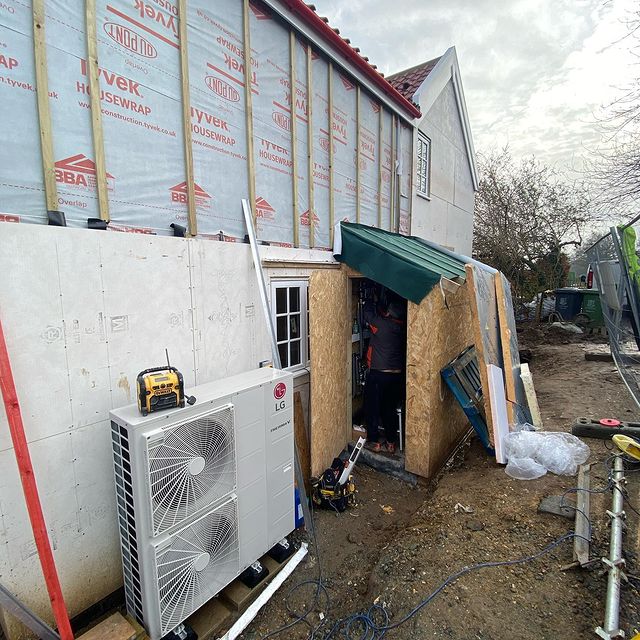
- Installation of the outdoor heat pump unit.
- Installation or modification of internal heating equipment.
- Installation of hot water and heating controls.
- Electrical and plumbing works.
- System commissioning.
- Customer handover and explanation of the controls.
A properly installed system should be commissioned and set up to suit the property.
The homeowner should be provided with information about how to operate the system, what maintenance is required and who to contact if support is needed.
The quality of the installation and commissioning process can have a significant effect on the long-term performance of the heat pump.

Contact Us
Pure Climate Solutions LtdUnit 15The Glenmore CentreShearway Business ParkFolkestoneCT19 4RJ
Company Registration No. 12347861
Telephone: 01303 487180Email: info@pureclimatesolutions.co.uk


